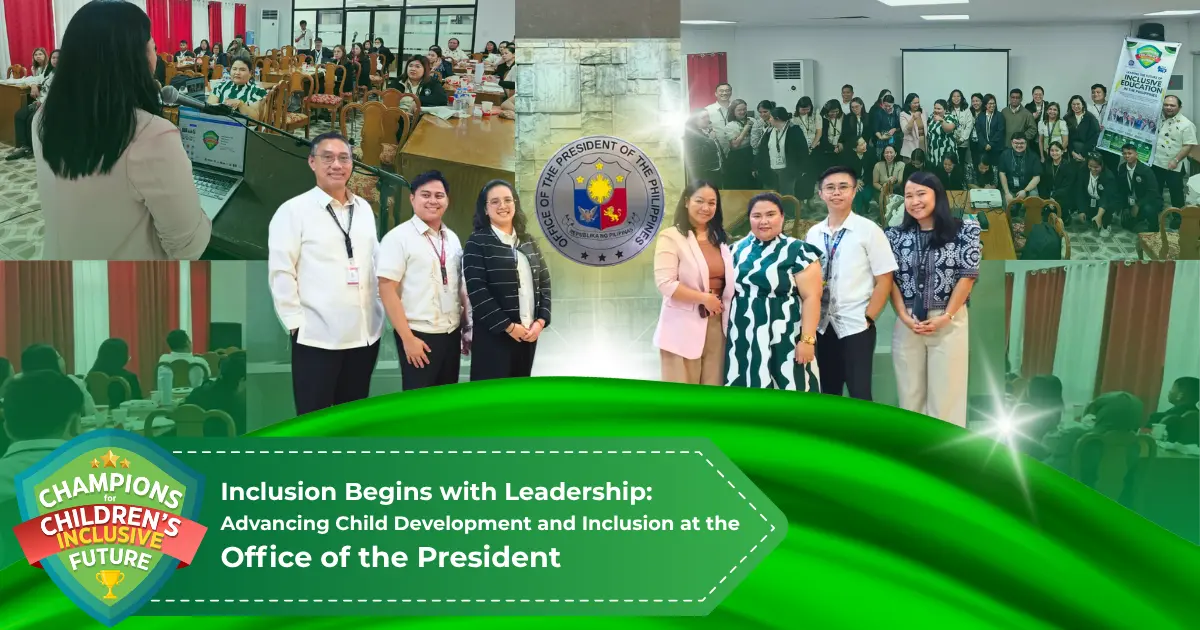
Inclusive Education PH conducted a seminar on Inclusive Education and Early Childhood Intervention for employees of the Office of the President.
Employees of the Office of the President recently participated in a seminar on Inclusive Education and Early Childhood Intervention, organized by Inclusive Education PH in collaboration with ESL Philippines and Autism PH. The seminar provided participants with practical insights into child development, early intervention, autism, and inclusive education, emphasizing how greater awareness can help create environments where every child is given the opportunity to learn, participate, and succeed.
As awareness of developmental disabilities and diverse learning needs continues to grow, inclusion is increasingly recognized as a responsibility shared not only by educators and healthcare professionals, but also by workplaces, communities, and public institutions. The seminar highlighted how understanding child development and inclusive practices contributes to more responsive services, stronger communities, and better support for Filipino children and their families.
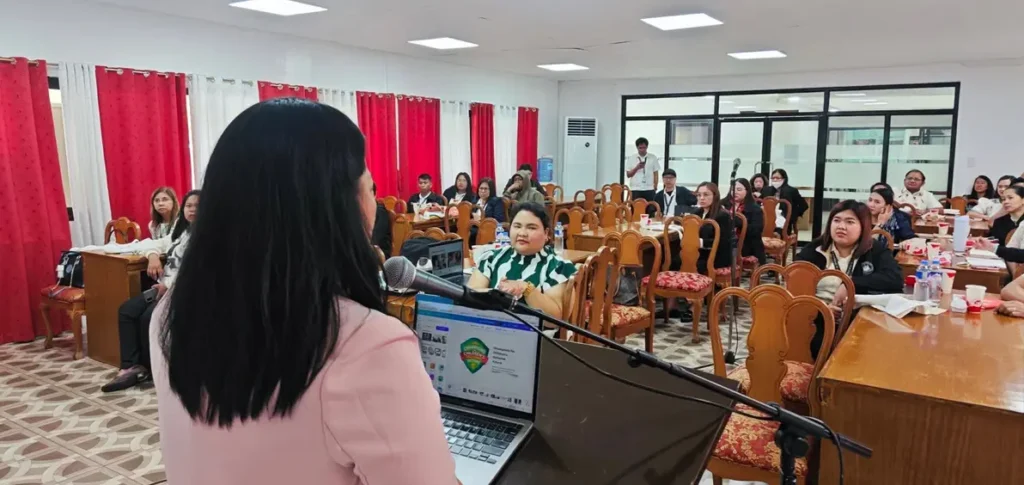
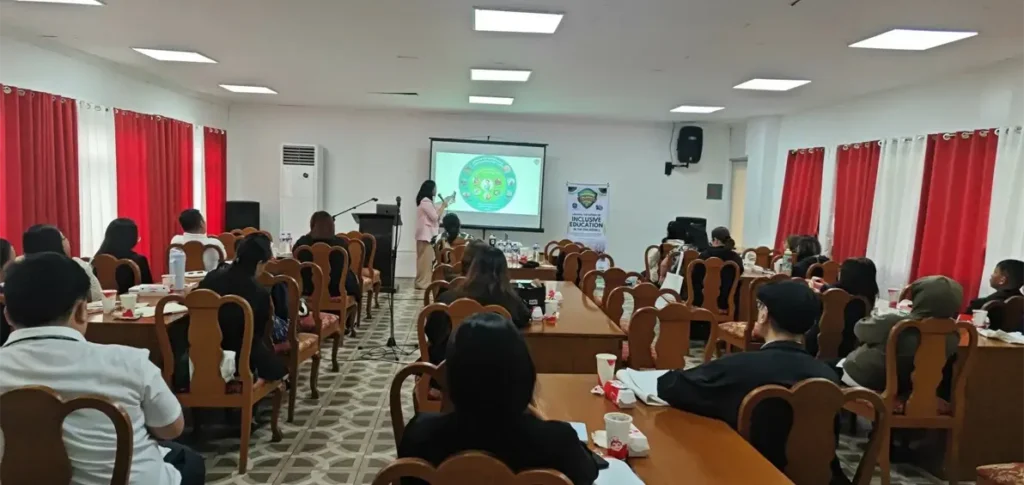
The session featured Kristyn Dela Cruz, Co-Founder of Autism PH and a long-time autism advocate, who shared the realities faced by many Filipino families raising children with disabilities. Drawing from years of advocacy, she emphasized that while families often demonstrate extraordinary resilience, meaningful inclusion requires communities that provide understanding, accessibility, and appropriate support.
Joining the seminar was Teacher Jenine (“Miss Jenine”), a Special Education teacher with extensive teaching experience in the United States and a mother of both a child with Global Developmental Delay (GDD) and a gifted learner. Combining professional expertise with lived experience, she discussed child development, evidence-informed teaching practices, the importance of early intervention, and the need to recognize that every child learns and develops at a different pace.
One of the most powerful reflections shared during the seminar captured the importance of community support:
“I hope our goal is not to produce more resilient and strong mothers. Many of us became strong because we had no village behind us. Our goal should be to build communities where no family has to struggle alone.”
The message reminded participants that inclusion should not depend solely on the resilience of families. It also depends on communities, institutions, and individuals who are willing to understand, remove barriers, and create opportunities for every child to participate and thrive.
For Inclusive Education PH, seminars such as this are part of a broader commitment to expanding public understanding of child development, early intervention, and inclusive education. By bringing these conversations into schools, workplaces, organizations, local government units, and public institutions, the organization hopes to strengthen collaboration among the sectors that influence a child’s development and well-being.
Inclusive Education PH extends its sincere appreciation to the Office of the President for the opportunity to conduct this seminar and to its employees for their active participation. Opportunities for learning and dialogue such as these help foster greater awareness and encourage practical actions that support children, families, and inclusive communities.
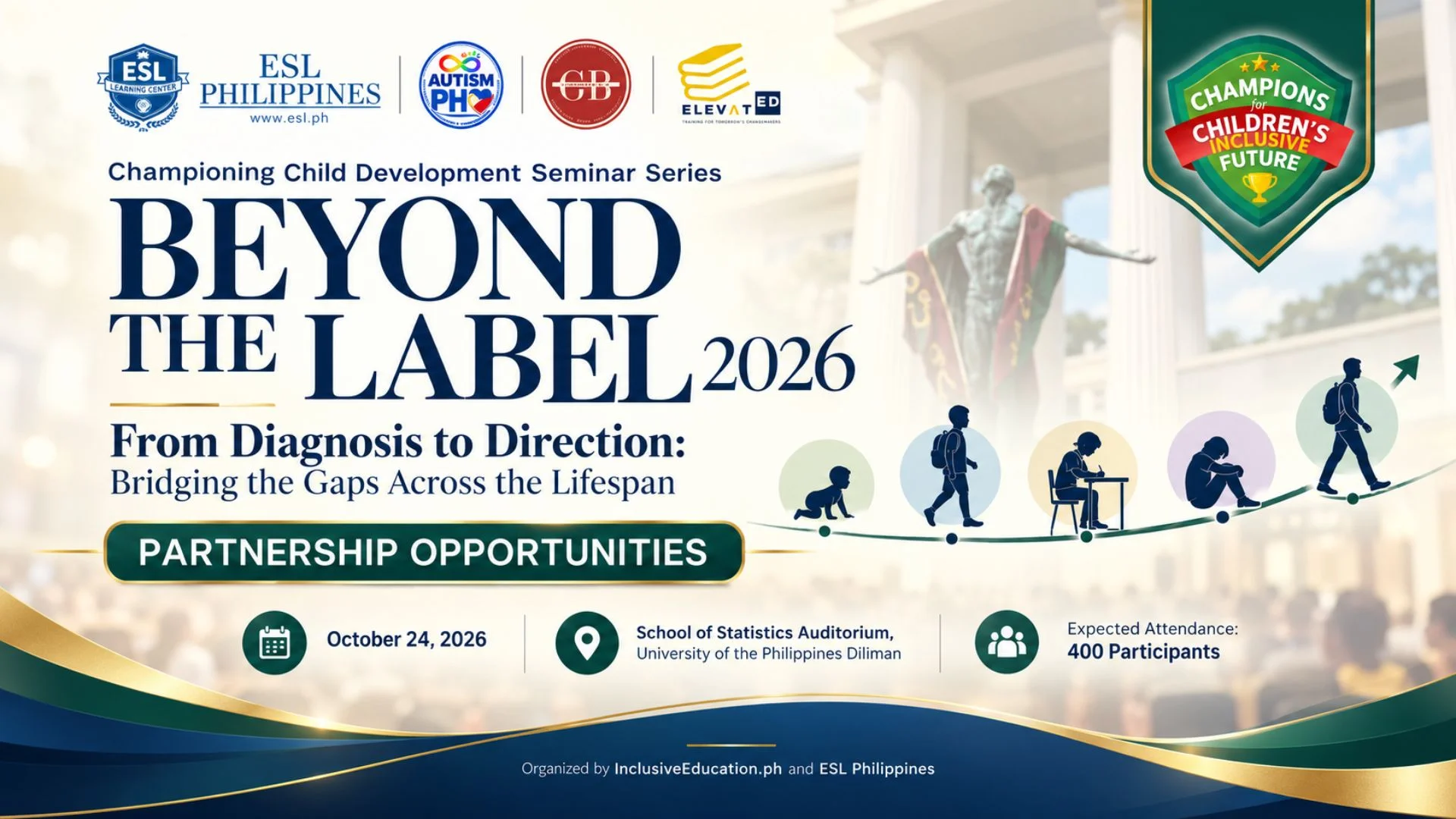
Inclusive Education PH welcomes partnerships with schools, higher education institutions, local government units, national government agencies, healthcare providers, private organizations, and community groups committed to advancing child development and inclusion. Through seminars, professional development programs, parent education, and capacity-building initiatives, we continue to work with partners across the Philippines to help build communities where every child is understood, supported, and given the opportunity to reach their fullest potential.